
Polytechnic University of Tirana, Tirana, Albania, 20–23 November 2025
Notes on Mussolini’s Ruralist Ideology and Planning Utopia
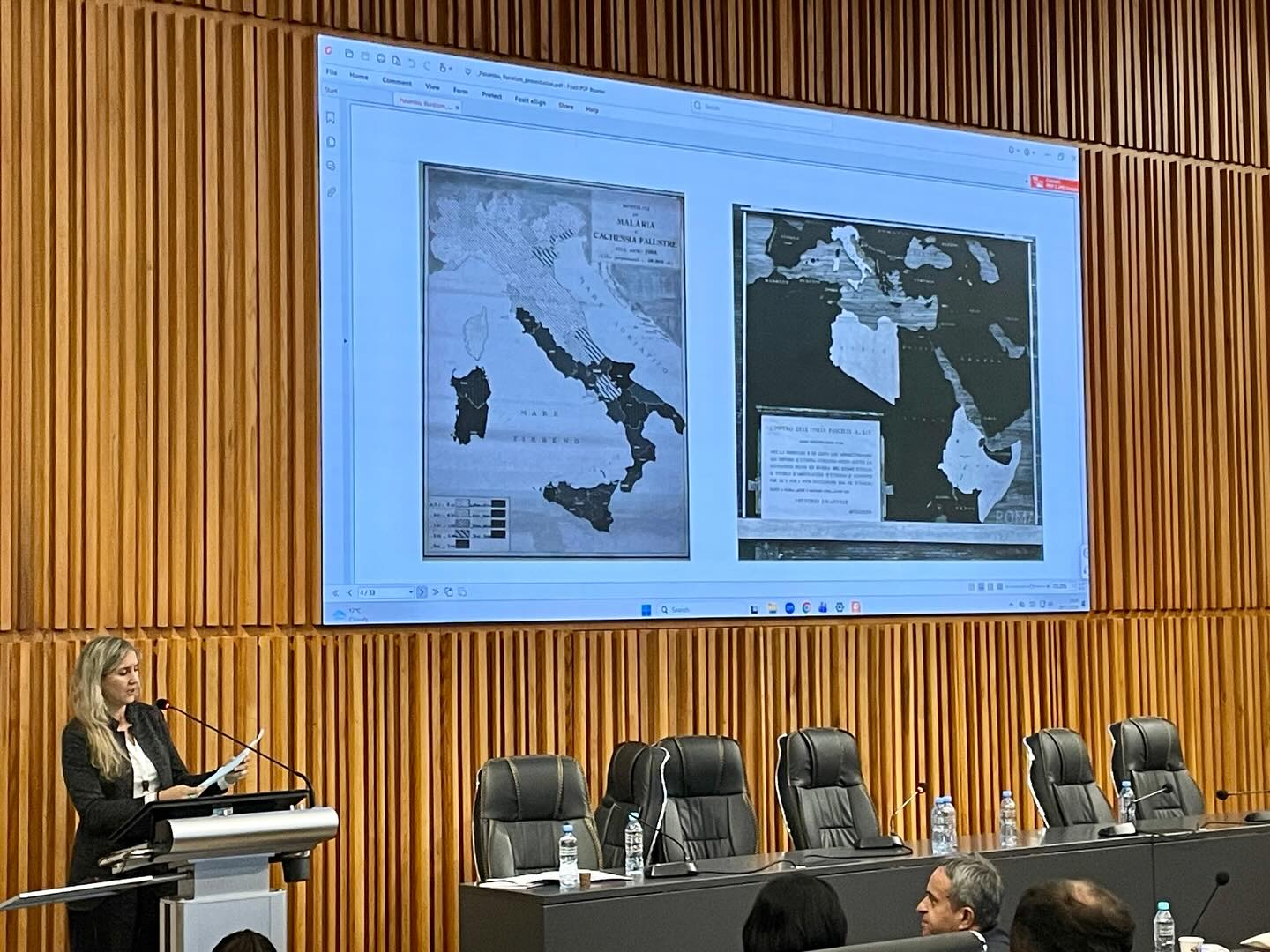
A few months after his proclamation of the birth of the Italian Empire on May 9, 1936, Mussolini announcedthe beginning of the “agricultural redemption” of Ethiopia. Defining the Italians as a “people of bold pioneers,” capable of the “immense effort of opening up thousands of kilometers of roads under the tropical sun and of clearing barbaric lands,” he stated: “[l]ife in the countryside is a life of physical and spiritual health. Oxygen and solar radiation make the body resistant. In rural life, the family has the most favorable conditions for security and development. While industrial and urban civilization take the woman away fromthe fireside and the children, rural life makes women the queen of the home and the family.In all the centers affected by the decadence of industrial and urban civilization, coffins outnumber cradles, morality declines and the race becomes senile. The demographic strength of Italy is still and always in the countryside.” Drawing on the writings of the rural economists, agronomists, and planners who fostered and implementedMussolini’s vision, and looking especially to their practices in Sicily and Libya, this paper explores the fascist ruralist ideology and planning utopia. While recent historiography on global fascism has emphasized the role of architecture as a rhetorical device to politicize the masses, I argue thatthe rural settlements designed and built across the Mediterranean shores exposethe way Italian Fascism deployed architecture,planning, and the countrysideas tools to impose a fixed social order of masters and slaves.

 PaesaggiSensibili